
Primary Care & Wellness Services in Wakefield, RI
At Rhode Island Wellness Clinic, we take a comprehensive, patient-centered approach to weight loss. For many people, diet and exercise alone do not produce lasting results. A slower metabolism, aging, or chronic health conditions such as arthritis, diabetes, heart disease, or lung problems can make regular physical activity difficult and weight loss more challenging.
When lifestyle changes are not enough, the right medication can play an important role in a successful weight loss plan. Our providers work with you to find safe, FDA-approved treatment options that complement healthy habits and help you achieve your goals.
GLP-1 Agonists: A Proven Approach to Medical Weight Loss
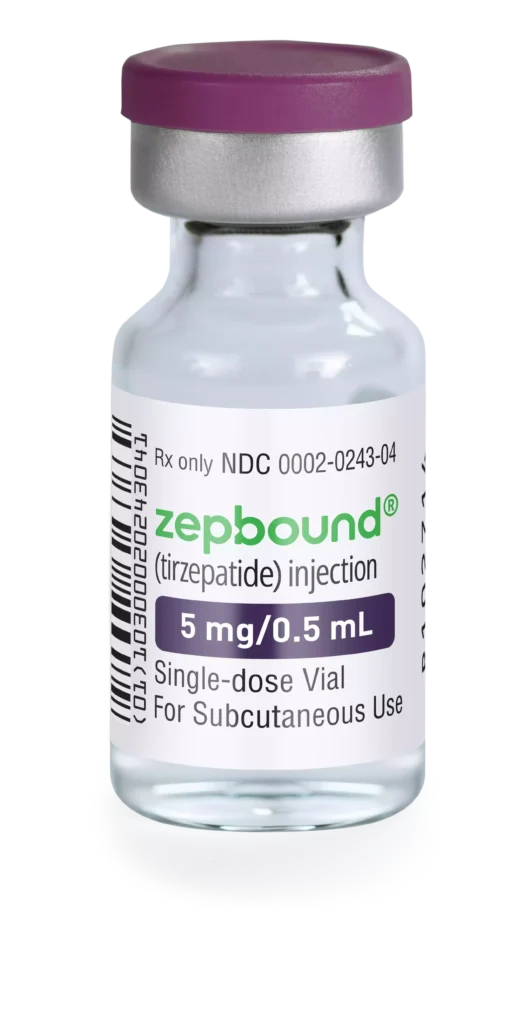
Tirzepatide
Tirzepatide is an FDA-approved weight loss medication that targets both GLP-1 and GIP receptors. This dual-action approach not only supports significant weight loss but also enhances overall metabolic health. In clinical trials, patients lost up to 22.5% of their body weight over 72 weeks. Tirzepatide is administered as a once-weekly injection.
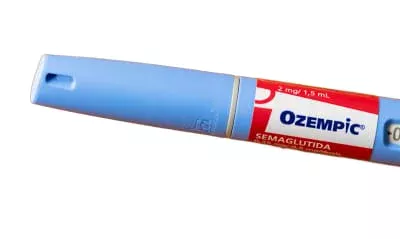
Semaglutide
Semaglutide is a GLP-1 receptor agonist available in both injectable and oral forms. It is FDA-approved for type 2 diabetes management and, at higher doses, for weight management. In clinical trials, patients using semaglutide for weight loss achieved an average reduction of 10–15% of their body weight over 68 weeks when combined with diet and exercise.
Oral Semaglutide
Oral semaglutide is the first GLP-1 receptor agonist available in tablet form, eliminating the need for injections. Originally designed for type 2 diabetes management, it works by enhancing insulin secretion and suppressing appetite. Oral semaglutide is not currently FDA-approved for weight loss.
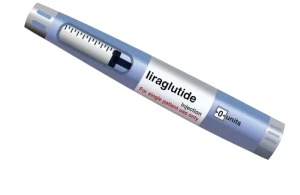
Liraglutide
Liraglutide is a GLP-1 receptor agonist used for both weight management and type 2 diabetes treatment. It works by mimicking a natural hormone that targets areas of the brain involved in appetite and food intake. Liraglutide is FDA-approved for weight loss and is administered as a daily injection. It offers a customized approach to weight management for patients who may not be candidates for other GLP-1 therapies.
GLP-1 Weight Loss Medication Side Effects
GLP-1 medications can help with weight loss, but like all medicines, they may cause side effects. The most common side effects are gastrointestinal and include nausea, vomiting, diarrhea, and constipation. These symptoms typically occur when starting the medication and usually improve as your body adjusts.
Some patients notice a decreased appetite, which can lead to eating less. Less common but more serious side effects may include pancreatitis, gallbladder problems, or kidney issues. Low blood sugar is uncommon but can occur, especially when GLP-1 medications are taken alongside other diabetes medicines. Other possible side effects include injection site reactions, headache, and dizziness.
Not everyone experiences side effects, and individual reactions vary. To minimize side effects, doctors typically start with a low dose and gradually increase it. Staying well hydrated, eating regular balanced meals, and attending follow-up appointments can also help. If you experience any side effects or feel unwell, contact your provider—they may adjust your treatment plan.
How GLP-1 Weight Loss Medications Work
GLP-1 (glucagon-like peptide-1) is a natural hormone that helps regulate blood sugar and appetite. It works by slowing gastric emptying, which helps you feel full longer and reduces hunger. GLP-1 also stimulates insulin release after meals and suppresses glucagon, a hormone that raises blood sugar. Together, these effects support steady blood sugar levels and healthy weight loss.
Medications called GLP-1 receptor agonists—such as semaglutide and tirzepatide—mimic the effects of this natural hormone. They are widely used to help manage obesity and type 2 diabetes.
Clinical studies show that GLP-1 medications can lead to significant weight loss. Many patients who are overweight or obese lose approximately 10–15% of their starting body weight over 6 to 12 months. Individual results depend on factors such as starting weight, medication adherence, diet, and physical activity.

How Tirzepatide Works for Weight Management
Tirzepatide mimics two natural hormones—GLP-1 and GIP—that help control appetite and satiety. By activating both receptors, it helps you feel full sooner and stay satisfied longer, leading to reduced calorie intake and gradual weight loss. Tirzepatide is most effective when combined with a reduced-calorie diet and regular physical activity as part of a long-term weight management plan.
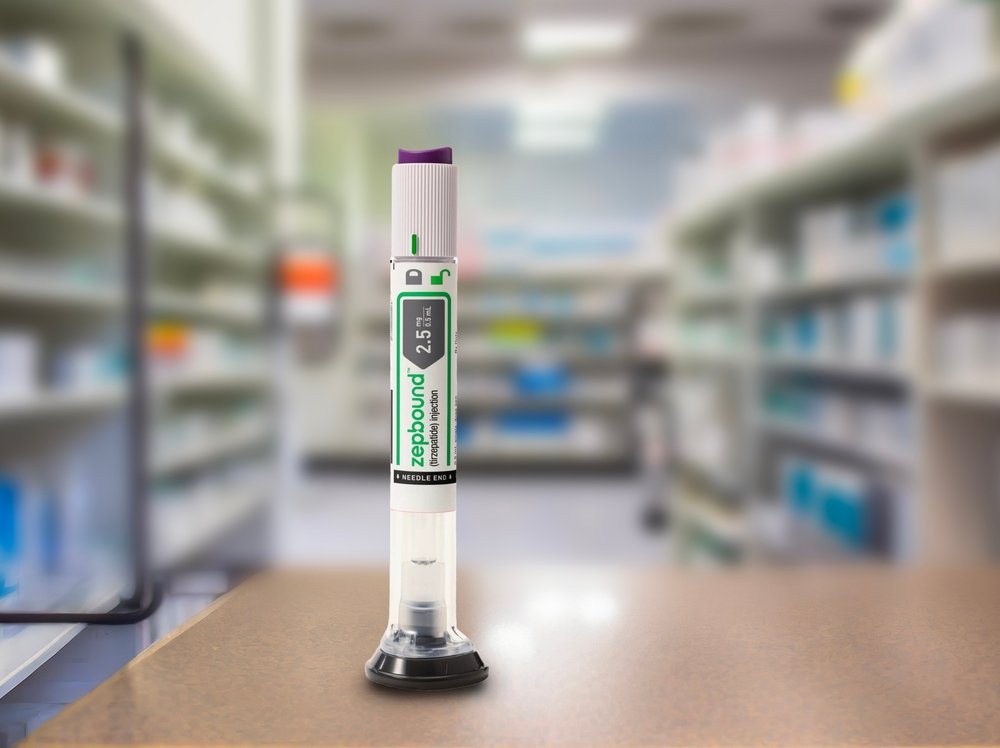
Weight Loss Results with Tirzepatide
Tirzepatide is prescribed for adults with obesity or excess weight who have weight-related health conditions. When combined with diet and exercise, it supports long-term weight loss. In the SURMOUNT-1 clinical trial, some patients lost up to 22.5% of their body weight after 72 weeks of treatment.
How long does it take to see results? Many patients begin noticing changes within the first few weeks, with more significant weight loss occurring over several months.
Weight Loss Results with Semaglutide
Semaglutide is available at different doses depending on the treatment goal. At higher doses (2.4 mg weekly), it is FDA-approved specifically for weight management, with clinical studies showing patients losing up to 15% of their body weight over 68 weeks. At lower doses (up to 2 mg weekly), semaglutide is FDA-approved for type 2 diabetes and may also be prescribed off-label for weight loss, with studies showing a 4–9% reduction in total body weight.
How long does it take to see results? Many patients notice changes within the first few weeks, with steady, progressive weight loss continuing over several months. Results may vary depending on adherence to treatment, diet, and exercise.
FAQs
Weight loss products should be considered when lifestyle changes such as diet and exercise have not been successful, and you are seeking additional support for weight management. It’s important to consult with a healthcare provider to determine the right time to begin medication.
Weight loss drugs work through various mechanisms, such as suppressing appetite, increasing metabolism, or reducing the absorption of dietary fat, to help reduce body weight. The exact mechanism depends on the medication’s active ingredients.
Common side effects include nausea, constipation, headache, dry mouth, and sometimes more serious risks like increased heart rate or blood pressure changes. Discuss potential side effects with your healthcare provider.
GLP-1 (Glucagon-like peptide-1) is a naturally occurring hormone involved in glucose metabolism and appetite regulation. It helps control blood sugar levels by enhancing insulin secretion and inhibiting glucagon release. GLP-1 also slows gastric emptying and increases feelings of fullness, which can aid in weight loss.
GLP-1 weight loss medications, such as Semaglutide and Tirzepatide, mimic the action of the natural hormone GLP-1. They help regulate appetite by slowing gastric emptying, increasing feelings of fullness, and reducing food intake, which leads to effective weight loss. They also enhance insulin secretion and stabilize blood glucose levels.
GLP-1 weight loss medications are suitable for individuals with obesity or those who are overweight and have not achieved desired results with diet and exercise alone. They are also beneficial for people with type 2 diabetes who need to manage both weight and blood glucose levels.
The effectiveness of weight loss products varies by individual and their specific health conditions. Medications like Semaglutide, Metformin, and Tirzepatide have shown promising results in clinical studies.
Results can vary widely, some individuals may start to see weight loss within the first few weeks of medication use, with more significant results over months of consistent use alongside lifestyle changes.
Common side effects include gastrointestinal issues such as nausea, vomiting, diarrhea, and constipation. Some patients may also experience decreased appetite, headaches, dizziness, and injection site reactions. These side effects are usually mild and tend to improve over time.
Clinical studies have shown that individuals using GLP-1 medications like Semaglutide and Tirzepatide can lose approximately 10-20% of their initial body weight over a period of 6 to 12 months. Results can vary based on individual factors and adherence to treatment.
When prescribed by a healthcare provider and used according to guidance, weight loss medications can be a safe part of a comprehensive weight management plan. It’s crucial to discuss any health conditions and potential drug interactions with your doctor.
Will my insurance cover GLP-1 agonists?
While it is possible that you have insurance that covers GLP-1 agonists, it is unlikely unless you have comorbid conditions such as diabetes or sleep apnea, despite the fact that many GLP-1 agonists are FDA-approved for weight loss.
If you do not have an aforementioned co-morbid condition, you can check with your insurance provider to see if GLP-1 agonists would be covered for you. You may be able to do this through your provider’s app or website, or you may need to speak to a representative.
Why are GLP-1 agonists not covered by insurance?
Can I switch to an insurance that covers GLP-1 agonists?
Of course you can. There is no list of insurance providers or plans that include GLP-1 agonist coverage. If you review your current plan and find that it does not provide coverage, you can shop around for a new insurance plan that does.
Not sure where to start with medicated weight loss
Our care team will explain all the medication options and connect you to a licensed provider so you can make the right decision for your weight loss goals.